“The station's administrative assistant who was used as a communications link and in the passing of the arms, resigned in 1964 and is believed to be living in [REDACTED]... We elected not to call back any of these people for interviews.”
— Central Intelligence Agency, Inspector General Report on the Trujillo Assassination (Declassified 2019/04/02, CIA Document No. C06612953, Page 4)
1. The Irony of What I Do
My company, BrightRay Publishing, writes books for executives, founders, and interesting people. Every week, our writing teams interview clients, pull their stories out of their heads, and turn them into published books.
The irony that bothers me almost every day is that I never got to do this with my own dad.
He passed away a few years ago. But a few months before he died, I found something weird in an overseas museum that led to him telling me a story I never expected to hear.
2. The Manifest in Antwerp
A few years back, my wife, our son, and I were visiting my wife's family in Antwerp, Belgium for Christmas. While we were there, we checked out the Red Star Line Museum. For those who don't know, the Red Star Line was the shipping company that carried millions of European immigrants to America, including Albert Einstein.
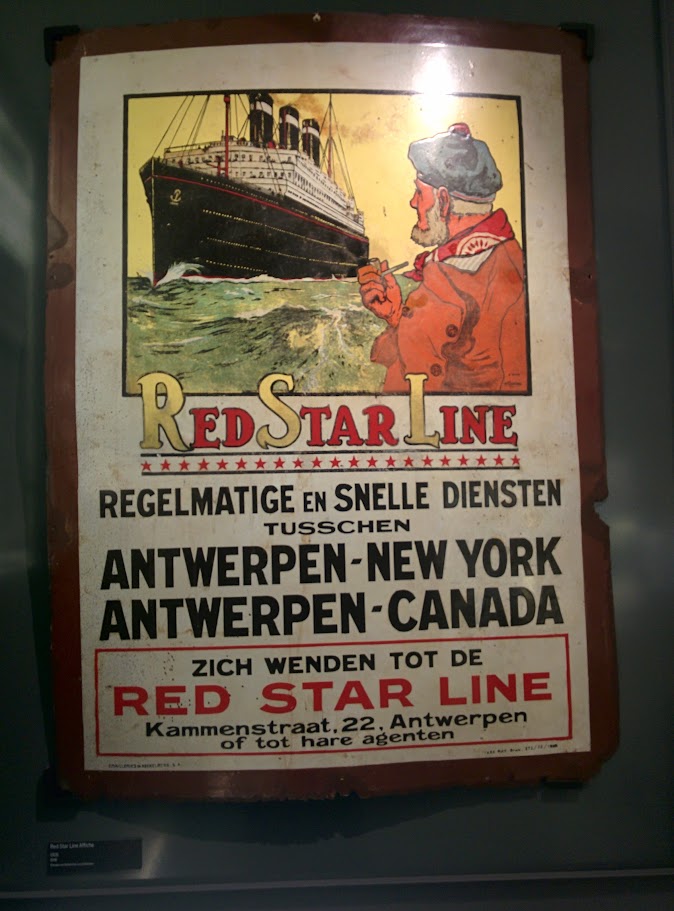
In the museum, they have a terminal where you can search old passenger manifests. I was curious, so I typed in my last name, Turman, to see if any distant relatives had come through Antwerp. Nothing came up.
Then I noticed a checkbox on the screen that let you search all scanned partner manifests in their database going back to 1901. I checked the box and hit search again.
One record popped up: Art Turman. My dad.
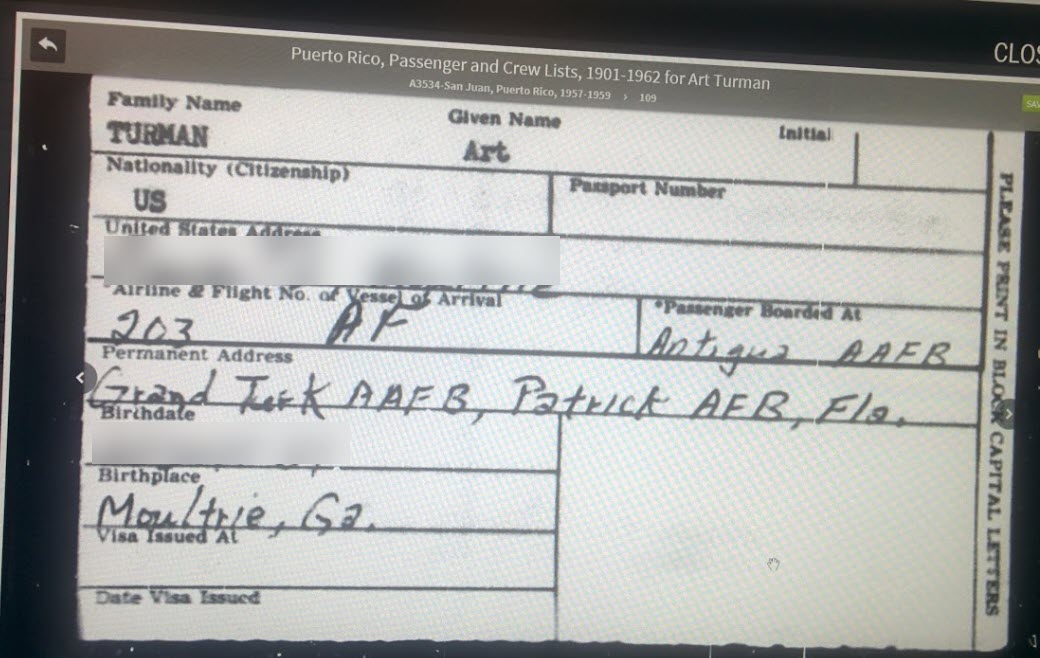
It was an official transit card for a flight out of the Caribbean:
- Flight:
203 AF(an Air Force flight) - Boarded at:
Antigua AAFB(Antigua Auxiliary Air Force Base) - Permanent Address:
Grand Turk AAFB, Patrick AFB, Fla.
This made no sense to me.
First, when I was a kid, my dad and I sailed a boat from the Bahamas down to Antigua. I distinctly remember asking him about the island, and he told me flat out that he had never been there before.
Second, his permanent address was listed as Grand Turk linked to Patrick Air Force Base in Florida. Patrick AFB is in Cocoa Beach, and Grand Turk was a downrange missile tracking station. That’s not a residential neighborhood; that’s military and intelligence infrastructure.
I took a photo of the monitor with my phone and texted it to him with no explanation.
He texted back almost immediately:
“How the f*** did you find this? We need to talk.”
3. The Living Room Confession
My dad was 84 at the time. He had smoked three packs of cigarettes a day his entire life and was dealing with cancer. When I got back to the States and visited him at his house, he finally told me what happened.
About a year before Dominican dictator Rafael Trujillo was assassinated on May 30, 1961, the CIA contracted my dad as a communications officer. His job was to travel from Antigua into the Dominican Republic and handle communications for the operation against Trujillo.
He also told me the CIA was importing guns into the country to help the plotters.
Shortly after that conversation, he passed away.
I was left with a strange story, an Air Force transit card, and a lot of questions.
4. The FOIA Request & The CIA Report
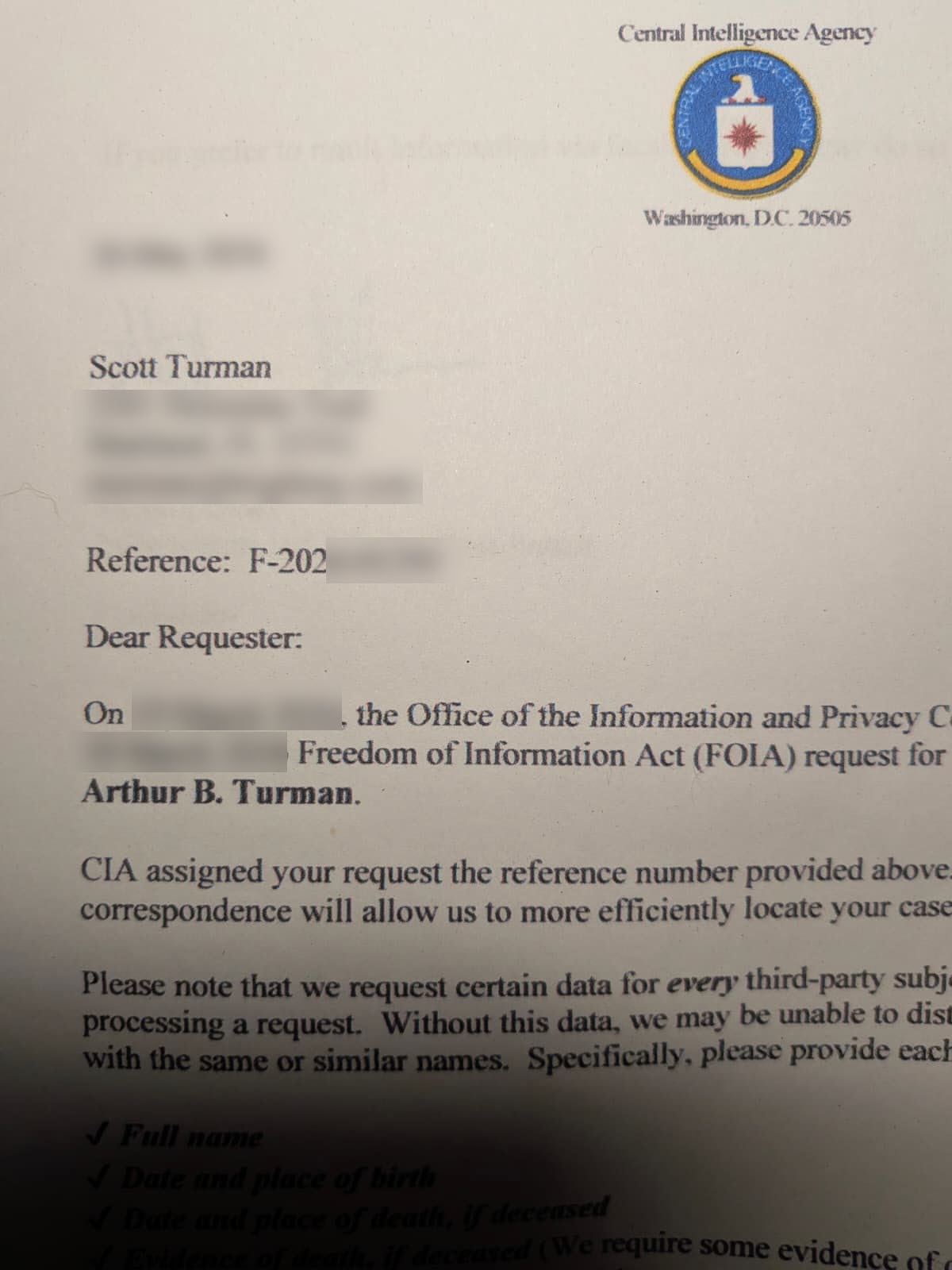
I filed a Freedom of Information Act (FOIA) request with the CIA to get his personnel and contract files. I got back the standard acknowledgment letter with a case number, but anyone who has dealt with the federal government knows FOIA requests can take years.
In the meantime, I started digging into what the CIA has already declassified about the Trujillo assassination. That’s when I found an internal CIA Inspector General report from the time, declassified under document number C06612953.
It’s 62 pages of internal cables and memos. And when you read through it, what my dad told me isn't just mentioned—it's laid out in detail.
A. The CIA Was Importing Guns
My dad told me the Agency was smuggling guns in. The report confirms that in plain English:
- The CIA shipped weapons in parts disguised inside food cans and grocery crates shipped to “Wimpy's Supermarket,” run by an American expat named Lorenzo Berry (Pages 2–3).
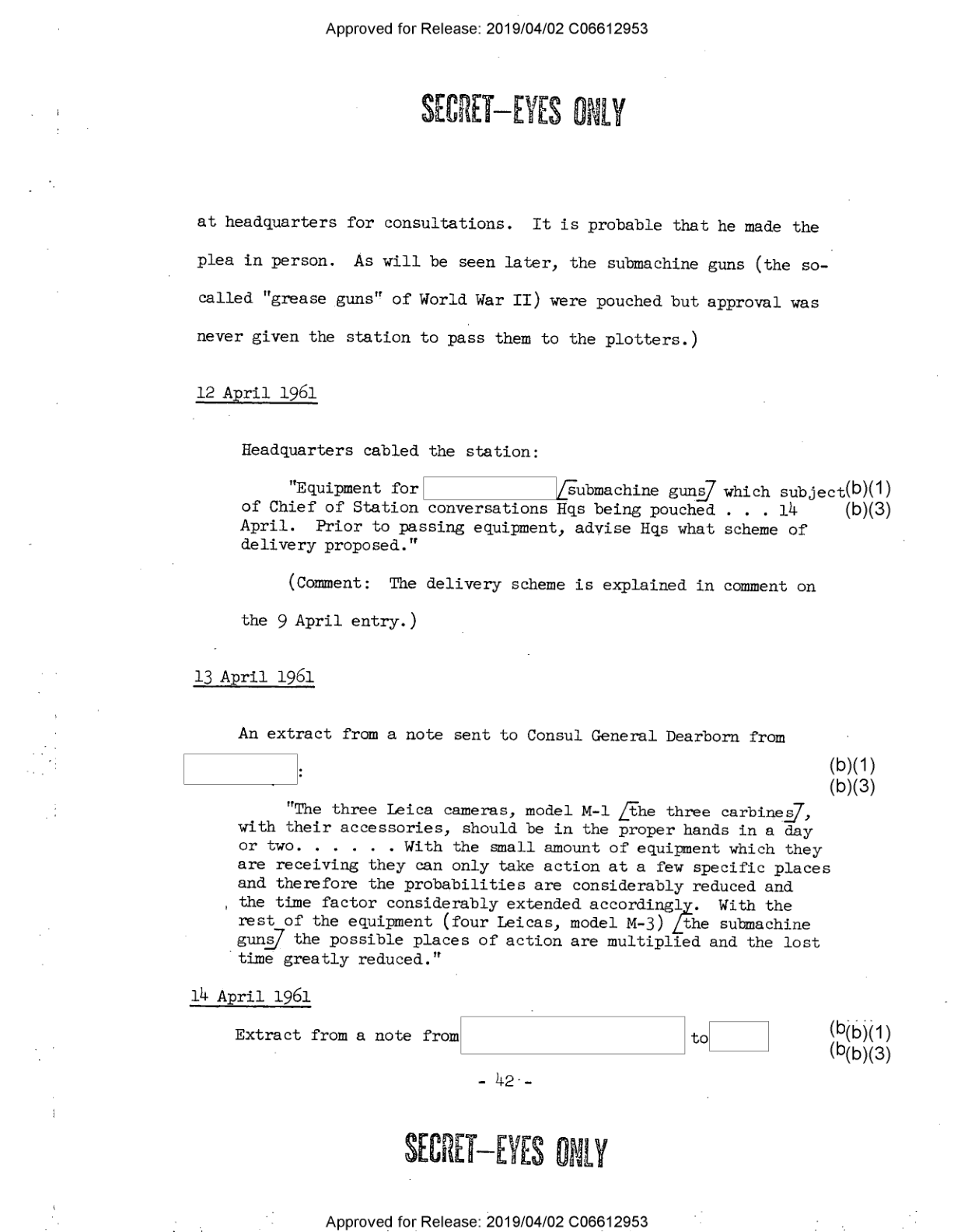
- They smuggled weapons into the consulate using official diplomatic pouches (Pages 41–43).
- On March 29, 1961, Headquarters told the consulate to take three M-1 carbines, file off the serial numbers after hours, and pass them to the plotters (Page 39). Those three carbines were delivered to the lead assassin, Antonio de la Maza, and ended up at the ambush scene the night Trujillo was killed.
B. The Code Words
Because they couldn't openly cable about weapons, they used camera codes:
- “Three Leica cameras, model M-1” meant three M-1 carbines.
- “Four Leicas, model M-3” meant four M-3 submachine guns.
- “The photographic job” was the assassination.
C. The Three Guys in the Consulate
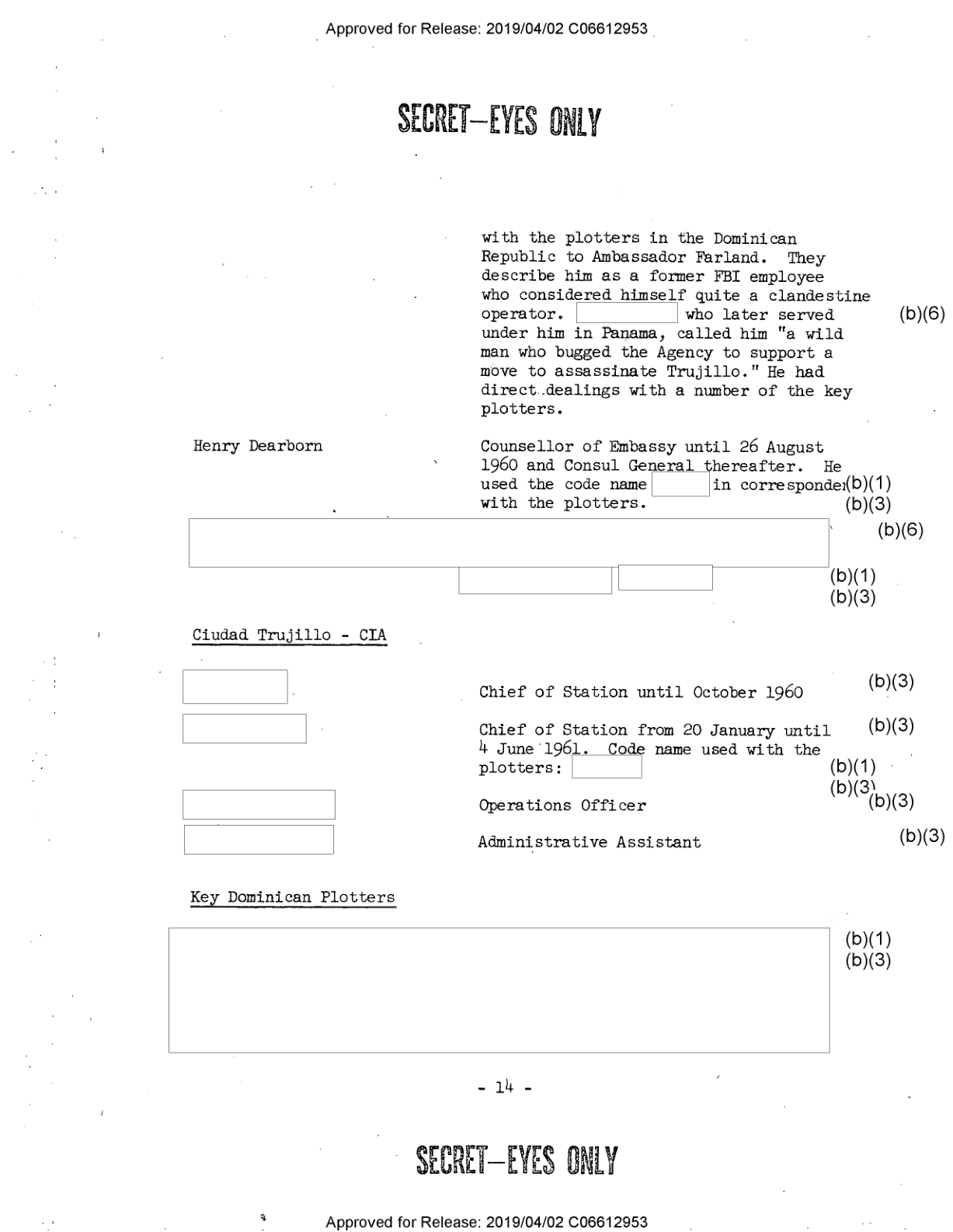
After diplomatic ties were cut in 1960, the CIA station in Ciudad Trujillo wasn't some huge team. According to the roster on Page 14, there were only three people on the ground: the Chief of Station (Robert Owen), an Operations Officer, and an Administrative Assistant.
Then look at Page 4 of the report:
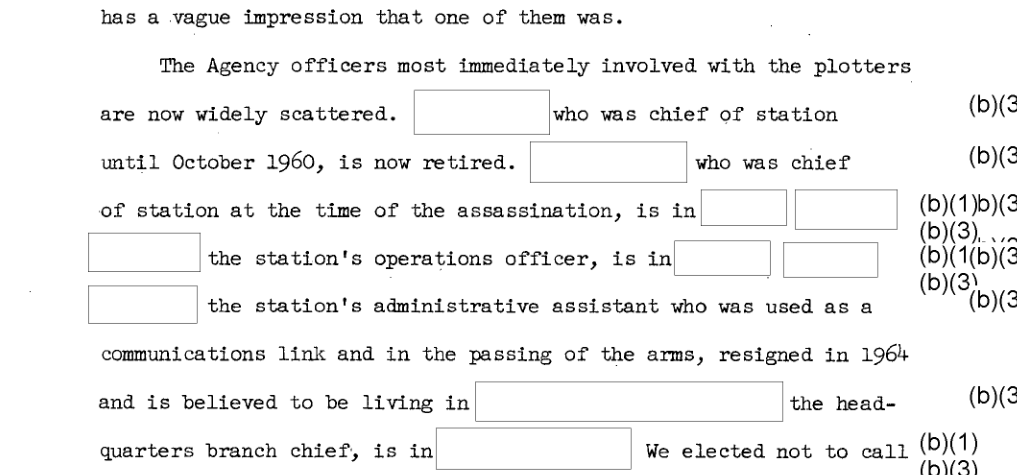
In CIA tradecraft, contract technicians and communications guys are routinely given administrative cover titles like “Administrative Assistant.”
The CIA's own post-mortem states that this third person was the communications link and was directly involved in passing the arms.
D. The Evacuation
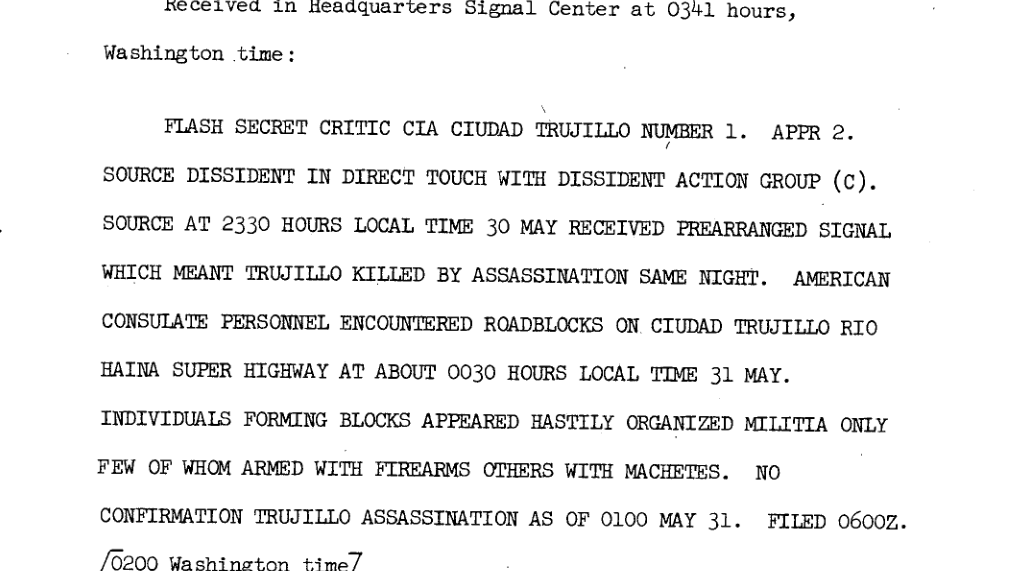
On the night of May 30, 1961, Trujillo was shot and killed on the road to San Cristóbal. The station flashed CRITIC NO. 1 to Washington at 3:41 AM.
The assassination worked, but the planned coup immediately fell apart. Trujillo's son took over and started hunting down everyone involved.
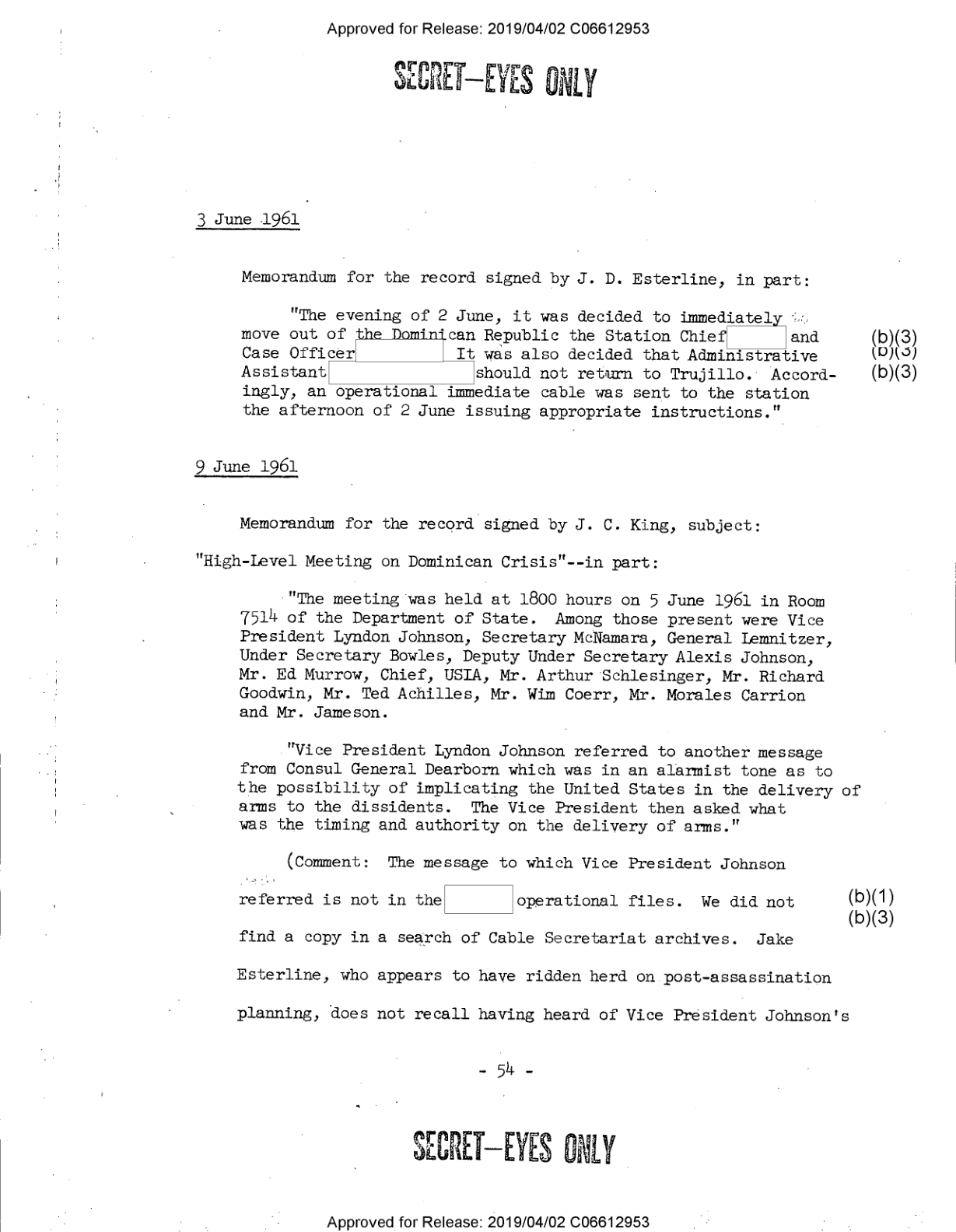
Station Chief Owen cabled Washington saying that if things went south, immediate evacuation of the Chief of Station, the Operations Officer, and the Administrative Assistant was mandatory (Page 52). Two days later, CIA Chief of Operations Jake Esterline formally ordered that the Administrative Assistant should not return to Trujillo (Page 54).
5. Where Things Stand
To be completely clear: I don't know for a fact that my dad is the blacked-out name on Page 4.
The CIA hasn't finished processing my FOIA request yet, so the line is still redacted under exemption (b)(3). Until I get unredacted records or contracts, I can't prove 100% that it was him.
But the details match up:
- He told me he was contracted as a communications officer for the Trujillo job.
- He told me the CIA was bringing in guns.
- His flight card shows him boarding an Air Force flight out of Antigua with an Atlantic Missile Range address on Grand Turk.
- The CIA's internal report shows a three-man station with an “administrative assistant” who served as the communications link, passed the guns, and was pulled out right after the assassination.
Every time my company helps an executive publish their book, I think about this. Guys from that generation didn't brag or write memoirs; they signed non-disclosure agreements, went back to work, and kept their mouths shut.
I'll keep waiting on the FOIA request and checking the archives. If that black marker ever gets lifted, at least we'll have the rest of the story.